Real Estate · Construction Company
Construction Website Development Company in India
Raqbash is a construction website development company in India for builders, developers and contractors. Project pages where your completed work does the selling. A status model that stops a project being marketed before it should be, and separate journeys for home buyers and contract clients.
- Websites delivered
- 110+
- Years experience
- 10+
- Rated on Google Reviews
- 4.9
- Project states control what's marketed
- Status-gated
Trusted partners
Clients we worked with
From global enterprises to fast-growing startups, brands across the world trust Raqbash to build and scale their digital products.








Overview
Construction website design for builders and contractors across India
Raqbash is a construction website design and development company in India, handling website design for builders, civil contractors and property developers and the construction website development behind it: project pages with real specifications, status rules that limit what each project can claim, and enquiry forms that separate home buyers from tender clients. We build the website. The buildings, the registrations and the commitments published on it remain yours.
Whether you sell flats, take on civil contracts or develop projects, clients judge you on what you've built and whether you'll deliver. We build sites that present projects powerfully, explain your capabilities and process, and capture qualified enquiries, for both home-buyers and B2B clients.
One team
Construction website development and design, planned as one job
A builder's site is read by families and by procurement teams. Design decides what each one sees first; development keeps the facts right.
Design
- A project page hierarchy that leads with what was built, where, for whom and in which year, before any photograph.
- Home builder website design for residential launches: configurations, floor plans and a site-visit request without clutter.
- A capability section for tender readers covering equipment, team size, the safety record you document and past clients you can name.
- Construction progress shown as a dated timeline per project, so buyers can follow work month by month.
- A visual system that feels solid and plain, since builders win trust on reliability far more than on flair.
Development
- A project model holding type, status, role and dates, so one project can appear on both the buyer path and the contractor path.
- Progress uploads from site: date-stamped photos your team posts from a phone, reviewed before they publish.
- Tender and RFQ forms that collect scope, location, value band and deadline, then route to business development.
- Company profile, brochures and the certificates you hold as downloads served from a CDN, with download tracking.
- Local business and project structured data for every office and completed site, plus an image sitemap for the portfolio.
Design and build sit with one in-house team, so a status rule agreed on a wireframe is the same rule the CMS enforces.
What we build
Construction Company Website Development Services We Offer
Our builder website development services cover almost every brief we see across India. That runs from a residential developer selling two towers to a civil contractor bidding for infrastructure work. The audience is entirely different.
Project Portfolio & Case Studies
Project pages with galleries, specification, scale, location and your role on the job, so completed work does the selling instead of sitting in an untitled lightbox.Ongoing & Upcoming Projects
Current and upcoming project pages where status controls what the page may claim: a booking call to action appears only once the registration number is there.Capabilities & Process
Services, capacity and delivery-process pages that answer the question a serious client is actually asking: can you execute this, and will you finish it.Qualified Enquiry Capture
Structured enquiry and site-visit forms that qualify before they route, so your sales team spends the morning on prospects rather than on noise.B2B & B2C Paths
Separate journeys for home buyers and contract clients: different content, different proof, different questions, because one generic site serves neither.Local SEO & Speed
Fast, mobile-first pages with locality-level structure and schema, because a builder is known by the areas they have built in.
Portfolio, status & enquiries
Projects That Prove Capability, Status You Can't Overstate & Enquiries Worth Calling
On a builder's site the completed work is the argument, the project status is the promise, and the enquiry form decides whether your team's morning is worth anything. We build all three so they stay true to each other.
Your Portfolio Doing The Selling
Status That Gates What The Site Can Claim
Commitments That Stay Current
Two Audiences, Two Journeys
- RERA registration and project details surfaced for residential projects where applicable
- Accurate, honest representation of projects, timelines and specifications
- Consent-based enquiry handling and data minimisation under India's DPDP Act
- HTTPS/TLS everywhere and secure enquiry handling
Sitemap
What a builder or contractor website needs
Most builders need these pages. A pure civil contractor drops the buyer pages; a developer with many launches adds more project types.
- Home
- What you build, where, and two clear entry points: buy a home or discuss a contract.
- Projects
- Completed, ongoing and upcoming work, filterable by type, location and your role on it.
- Project detail
- Specification, scale, status, dated progress, gallery and the call to action that status allows.
- Services & capabilities
- Civil, residential, industrial or turnkey work, each with the equipment and people behind it.
- Progress updates
- A dated photo log per ongoing project for buyers waiting on handover.
- Clients & certificates
- Past clients you have permission to name and certificates you actually hold, each with its date.
- Careers
- Openings for site engineers, supervisors and skilled trades, since construction firms hire all year.
- Contact & tenders
- Head and site offices, a home-buyer enquiry, and a separate tender or RFQ form.
Contractors & remodelers
Contractor website design and home remodeling sites
Smaller contractors and renovation firms sell differently from developers. Nobody books a site visit for a kitchen refit; they look at before-and-after photos, check whether you cover their area and ask for an estimate. Contractor website design for these firms comes down to a tight service list, real job photographs and an estimate request that asks for the room, its size and a rough budget.
Home remodeling website design also has to handle a long tail of small jobs. We build a job log you can add to from a phone once each project wraps, service-area pages for the neighbourhoods you work in, and a link to your real Google reviews instead of quotes typed into the site. For firms working in the US market, state licence numbers become fields you fill in, because licensing rules differ from state to state.
Why Raqbash
Why Choose Raqbash for Construction Company Website Development in India
Pick a construction website design agency on three habits. Does it treat the project portfolio as the product? Does it put the disclosure rules into the CMS rather than a checklist? Does it build for the two very different buyers you have?
We Treat The Portfolio As The Product
Specification, scale, location and your role on every project, structured so a buyer or a client can judge you properly. A gallery of untitled photographs is the commonest waste on a builder's site.Status Gates Built Into The CMS
The booking button appears when the registration number does, not when someone remembers. Controls beat reminders, particularly in the fortnight before a launch when nobody is reading policy documents.Easy To Keep Honest
Dated possession fields, review prompts and a one-screen edit. Most inaccurate developer sites are not dishonest: they are just harder to update than to ignore, and we fix that.A Second Pair Of Eyes On Your Imagery
We label renders as artist's impressions, separate proposed amenities from delivered ones, and flag site photographs showing unsafe practice. Small things, and all of them the kind that surface later.Built For Two Buyers At Once
Home buyers and contract clients need different proof. We build both paths properly rather than bolting a corporate page onto a residential site and hoping the tender committee is forgiving.Senior Team, Project-Season Ready
A senior in-house team that works to your launch and possession calendar over video and WhatsApp, learns the localities you build in and stays accountable long after launch.
Launching a project this season?
Tell us your projects, their statuses and who your enquiries come from, and our team will send you a free, fixed-scope quote covering portfolio, status gates and both enquiry journeys.
Builders
Builders & Developers We Work With
A residential developer is selling a home to a family; an infrastructure contractor is convincing a tender committee. Same industry, almost nothing shared about how the website has to argue.
Residential Developers
Flats and villas sold to families who are committing a decade of savings, where the site carries the project, the locality, the handover date and every disclosure the launch depends on.See our builder sales automation systemCommercial & Retail Developers
Offices, showrooms and retail where the buyer is doing arithmetic (efficiency, frontage, footfall, fit-out readiness), and lifestyle photography persuades nobody.Civil & Infrastructure Contractors
Civil construction website design for roads, bridges and public works. The audience is a tender committee checking capability, equipment and whether you finish on time.Industrial & Warehouse Builders
Sheds, plants and logistics parks specified on clear span, floor loading, power and turnaround, with a client who reads a specification sheet before a brochure.Interior Fit-Out & Turnkey Contractors
Contractor web design for delivery against someone else's design. The portfolio shows execution quality, and the boundary with the architect's role stays explicit.Explore architecture firm website developmentRedevelopment & Township Developers
Long, phased programmes with existing residents or multiple stages, where communicating progress honestly over years matters more than any launch campaign.
How we work
Our Construction Company Website Development Process
Six phases take your website from first conversation to live and supported, starting, before any design, with your project model and the status rules that decide what each project page is allowed to say.
Step 01
Discover
We map your projects, the localities you build in, your two audiences and where enquiries reach a human today, and find out which projects are launching, because that sets the timeline.
Step 02
Project Model & Status Gates
Before design, we define the project types, the status vocabulary and what each state permits (which fields become required, which calls to action appear) and who updates a possession date when it moves.
Step 03
Design
We design the project page first, then the two enquiry journeys, because those three screens are where a builder's site is actually judged.
Step 04
Develop
We build the project model with its status gates, galleries and specification fields, the capability pages, and enquiry routing into your CRM where its API allows.
Step 05
Launch
Imagery reviewed and labelled, status gates tested against a real launch scenario, enquiry routing rehearsed with your sales team, plus accessibility and performance checks.
Step 06
Support
Ongoing support from the same team: new projects and phases, status and possession updates as work progresses, and the periodic pass that keeps completed projects from reading as current.
Tech & integrations
Technologies & Integrations for Construction Websites
We build builder and developer websites on a modern, proven stack: a project model with real status gates, media handling that keeps heavy galleries fast, and enquiry routing that reaches your sales team rather than an inbox.
Frontend
- Next.js
- React
- TypeScript
- Tailwind CSS
- Mobile-first
Projects & Status
- Fixed status vocabulary
- Registration-gated booking CTA
- Dated possession fields
- Proposed vs delivered amenities
Media & Performance
- Cloudinary / next-image
- Gallery & floor-plan handling
- Artist's-impression labelling
- Edge delivery
Enquiry & Qualification
- Structured B2C & B2B forms
- Site-visit scheduling
- CRM hand-off
- Consent-based capture
Platform
- WordPress / headless CMS
- Node.js
- Vercel / AWS
- Cloudflare
- HTTPS/TLS everywhere
Cost & timeline
Construction website cost and timeline
Three common scopes, from a renovation contractor to a developer running several launches. Each is quoted at a fixed scope first.
| Scope | What's included | Typical timeline | What drives cost | Price |
|---|---|---|---|---|
| Contractor or renovation site | Services, project gallery with before-and-after, service areas, an estimate form and a CMS for new jobs. | 4–6 weeks | Services, number of past jobs, photo readiness | From ₹40,000 |
| Builder or developer site | Project portfolio with status rules, launch pages, floor plans, progress logs, and buyer and tender enquiry paths. | 8–12 weeks | Projects and phases, audiences, CRM hand-off | Fixed-scope quote |
| Multi-project developer platform | Several brands or cities, project microsites, CRM integration, a document library and progress uploads from site. | 12–18 weeks | Brands and cities, integrations, launch calendar | Fixed-scope quote |
Project photographs and specifications are usually the slowest inputs. In week one we hand your site and sales teams a shared checklist per project.
Every project gets a fixed-scope quote in writing before work starts.
Our work
Our Property & Builder Work
Developer sales automation, lead routing through a CRM and listing search at scale are shipped work for us rather than a discovery exercise. These are the property platforms we have built and published.
- SaaS Platform
 Property Developer
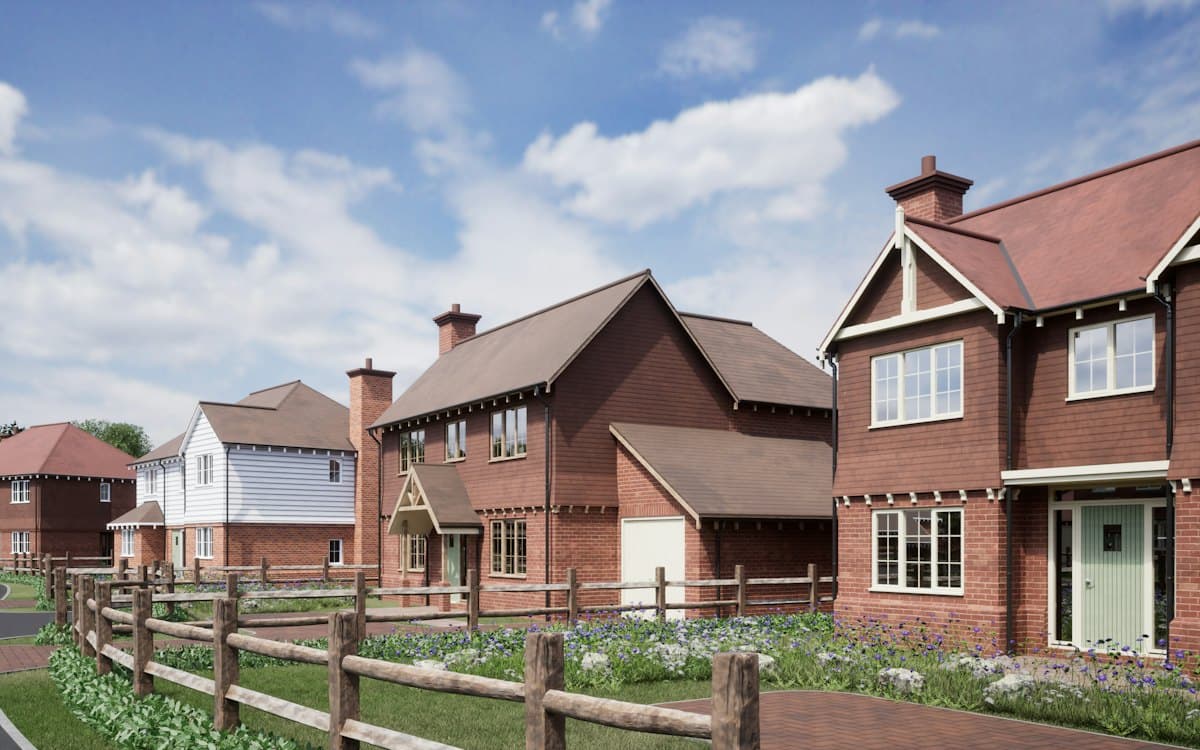
Builder Sales Automation System
Inventory, bookings and payment milestones automated for new developments.
Services
Website Development · SEO · Admin Dashboard
- Next.js
- Laravel
- Node.js
- AWS
View Case Study - SaaS Platform
 Property Brokerage
Real Estate CRM
Lead capture, nurturing and deal tracking purpose-built for brokers.
Services
Website Development · SEO · Admin Dashboard
- React
- Node.js
- AWS
- PostgreSQL
View Case Study - Web Platform
 Real Estate Aggregator
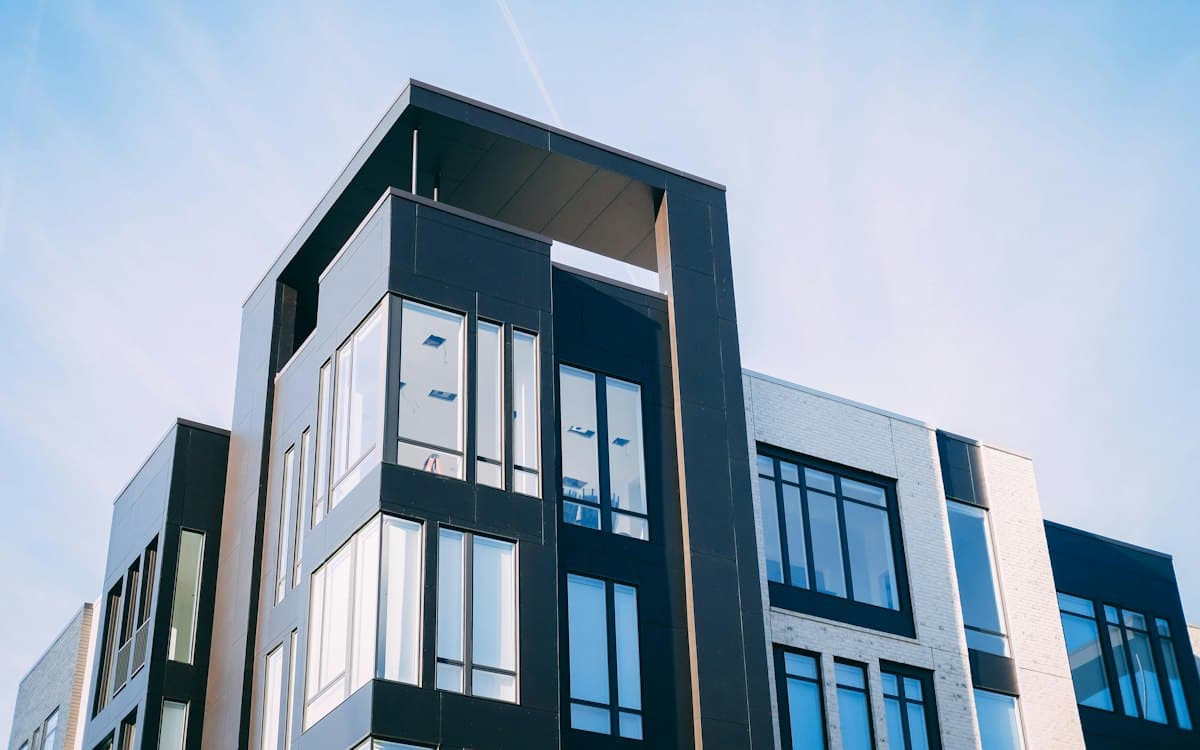
Property Listing Portal
Map-based search, virtual tours and lead capture for property seekers.
Services
Website Development · SEO · Admin Dashboard
- Next.js
- Node.js
- AWS
- PostgreSQL
View Case Study
FAQ
Construction Company Website Development FAQs
Common questions from builders, developers and contractors: showcasing completed projects, serving home buyers and B2B clients, how project status gates what a page can claim, possession dates that move, presenting unbuilt amenities and qualified enquiries.
Can you showcase our completed projects well?
Can the site serve both home-buyers and B2B clients?
Can you show RERA details for our residential projects?
How do you handle a possession date that changes?
How should we present amenities that aren't built yet?
Will the website help us get qualified leads?
How long does a construction company website take?
Do you do both construction website design and construction website development?
Do you handle home builder website design for villa and plotted schemes?
Start your construction company website with Raqbash
Book a free call about construction company website development in India. We'll look at how your completed projects read to someone deciding whether you can deliver. Then we show what we'd change.
Explore more
Related Services & Industries
Real Estate Website Development
Listing-driven, lead-generating websites for builders, brokers and developers.Architecture & Interior Design Firm Website Development
Portfolio-led architecture and design studio websites where the work is the pitch.Real Estate Agency Website Development
Agency and broker websites with fast property search, strong lead capture and listings that carry their disclosures.Website Development
High-performance, SEO-ready websites that turn visitors into customers.SEO Services
Rank higher, win more traffic and generate leads with data-driven SEO.