Real Estate · Architecture & Interior Design
Architecture Firm Website Development Company in India
Raqbash is an architecture firm website development company in India, working with practices and design studios. We build a design system considered enough to stand beside your work. The photography runs full-bleed and still opens fast, and the credits say what your role was.
- Websites delivered
- 110+
- Years experience
- 10+
- Optimised media pipeline built in
- Image-led
- Accessibility standard we build to
- WCAG 2.2 AA
Trusted partners
Clients we worked with
From global enterprises to fast-growing startups, brands across the world trust Raqbash to build and scale their digital products.








Overview
Architecture website design for architects and interior designers
Raqbash is an architecture firm website development company in India working for architecture practices, interior designers and multidisciplinary studios. Our architecture website design starts from your projects and how you want them read, then builds the image pipeline, credits and brief forms around them. We make the website; the drawings, the buildings and the professional titles belong to your practice.
Prospective clients judge a studio on its aesthetic and its projects within seconds. That means large, fast-loading imagery, restrained and confident design, and project stories that show your thinking, not just pretty pictures. We build sites that let the work breathe and convert the right clients into enquiries.
One team
Website design for architects, and the build behind it
Practices judge their own website as a piece of design. We treat layout and code as one brief, so the details you notice survive the build.
Design
- A project index a visitor can browse by typology, scale or year, since clients often arrive looking for one kind of building.
- Architecture portfolio website design that mixes photographs, drawings, plans and short text, paced like a monograph rather than a carousel.
- Web design for interior designers that brings materials, finishes and joinery forward, giving close-ups as much room as wide shots.
- Type and grid chosen to sit quietly beside the work, with one accent your practice already uses in print.
- A short, specific practice page that tells a client what you take on and what you turn down.
Development
- A CMS with per-project fields for role, collaborators, photographer, licence scope and built or unbuilt status.
- An image pipeline that produces AVIF and WebP at several widths from a single high-resolution upload.
- Plans and sections served as zoomable drawings on desktop and readable crops on a phone.
- Multi-office or bilingual setups for practices working across cities, all drawing on one shared portfolio.
- Page weight checked against real photography, with a budget your team can see when adding a heavy project.
With one team owning both, the spacing and image quality you approved in design are what loads on a client's phone.
What we build
Architecture Firm Website Development Services We Offer
Six capabilities cover almost every studio brief we take on, from a three-person practice with one extraordinary house to a multidisciplinary consultancy publishing across architecture, interiors and landscape.
Portfolio-First Design
Portfolio website design for architecture firms, built around your work rather than a template. A studio site is a demonstration of taste before it is anything else.Project Case Studies
Immersive project pages with concept, process and outcome, and with your role and collaborators credited properly rather than left for a reader to assume.Fast, Optimised Media
Modern formats, responsive sources, blur-up placeholders and edge delivery, so a portfolio built on large photography still opens instantly on a phone.Studio & Approach Pages
Practice, philosophy and team pages that make your positioning legible, so the briefs that arrive are closer to the work you actually want.Enquiry & Brief Capture
Considered enquiry forms that ask about scope, site and timeline, qualifying a commission before it reaches a conversation.Press, Awards & Journal
Press, awards and a journal that build reputation and search authority, published as dated entries so an old award never reads as a current one.
Craft, credits & rights
Work That Reads As Work, Credits That Are Right & Images You're Cleared To Publish
A studio site is judged on three things a peer notices immediately: whether it looks like something you would have made, whether the credits are honest, and whether the photography is yours to publish.
A Site That Demonstrates The Taste You're Selling
Fast Despite Being Image-Led
Credits And Role As Required Fields
Images You're Cleared To Publish
- Accurate representation of project credits and collaborators
- Consent-based enquiry handling and data minimisation under India's DPDP Act
- WCAG-conscious accessibility even within a visual-led design
- HTTPS/TLS everywhere and secure enquiry handling
Sitemap
Pages an architecture or interior design practice needs
A small studio can launch with five of these. Larger practices add disciplines, offices and a journal.
- Home
- A few projects at full size and one line on what kind of practice you are.
- Projects index
- Every project filterable by typology, discipline, location and year, with built and unbuilt marked.
- Project page
- Images, drawings, a short narrative, your role, collaborators and photo credits.
- Interiors
- A separate view of interior work, so residential and hospitality clients find it quickly.
- Practice & people
- Principals and team, with registration details stated exactly as each person holds them.
- Approach & services
- How a commission runs from brief and concept to site supervision, and what each stage covers.
- Journal & press
- Dated articles, publications and awards that show your thinking between projects.
- Contact & brief
- Studio address, a map and a brief form asking about site, scope and timing.
Interior designers
Interior designer website design
Interior work is sold on texture and finish, which are the first things a heavily compressed photograph loses. For interior designer website design we keep detail shots at higher quality, show the material palette beside each room, and let a visitor walk through a home room by room instead of scrolling one long gallery.
Interior studios also tend to receive more residential enquiries, and many are small. A brief form that asks for property type, carpet area, rooms in scope and a timing window helps you sort them early. Studios that also sell furniture or a product line can add a simple catalogue that leads to an enquiry rather than a checkout.
Why Raqbash
Choosing an Architecture Firm Website Development Company in India
Choosing an architecture studio website design agency comes down to three things. Does it design the site or assemble it? Does it hold a performance budget on a photo-led build? Does it ask about credits and rights in week two, not launch week?
We Design It, Not Assemble It
A custom design system for your practice: type, grid, pacing and motion decided rather than inherited. On this vertical a recognisable template is a message you did not intend to send.Performance Budget On A Visual Build
We set a budget before the first image lands and hold it: modern formats, responsive sources, deliberate loading. Heavy photography and a fast site are not in conflict if the pipeline is built for it.We Ask About Credits Early
Role, collaborators, photographer, client consent: settled in week two rather than discovered the week before launch, when the answer might mean pulling your best project off the site.Accessible Without Being Plain
Contrast, focus states, keyboard paths and reduced-motion handling inside a visual-led design. Restraint and accessibility pull in the same direction more often than designers expect.Positioning, Not Just Presentation
We help the site say what kind of practice you are, because the cost of vague positioning is not fewer enquiries: it is the wrong ones, and the hours spent politely declining them.A Studio-Minded Team for the Long Run
A senior in-house team that reviews work with you over screen-share, and keeps the portfolio current as projects complete rather than leaving it two years behind the studio.
Wondering whether an agency can design to your standard?
Show us the work you'd want on the homepage and tell us who you want more of as clients. Our team will come back with a direction and a free, fixed-scope quote covering portfolio structure, credits and rights.
Practices
Practices We Build Websites For
A conservation practice and a multidisciplinary consultancy are selling almost opposite things: restraint and provenance on one side, range on the other. These six each need the portfolio structured differently.
Architecture Practices
Registered practices whose work spans houses, institutions and commercial buildings, where the portfolio has to carry both the aesthetic and the evidence of delivery at scale.Interior Design Studios
Interior design website development for homes and commercial work, sold on mood and detail. The portfolio is judged on photography and materials.Landscape & Urban Design
Public realm, campuses and landscape, where the work is best understood over time and through drawings, and a gallery of finished photographs tells only part of it.Design-Build Studios
Practices that design and deliver, where the site has to carry both the aesthetic argument and the delivery evidence: two different audiences on one portfolio.Explore construction company website developmentConservation & Heritage Practices
Restoration and adaptive reuse, where the before-and-after is the story and provenance, documentation and restraint matter more than a hero render.Multidisciplinary Design Consultancies
Studios working across architecture, interiors, product and graphics, needing a portfolio structure that lets each discipline be found without diluting any of them.
How we work
Our Architecture Firm Website Development Process
Six phases take your studio site from first conversation to live and supported, starting, before any design, with which projects go up, how they are credited and whether the photography is cleared for the web.
Step 01
Discover
We look at your work, your positioning and the commissions you want more of, and the ones you keep declining, which usually says more about what the site needs to communicate.
Step 02
Portfolio, Credits & Rights Pass
Before design, we agree which projects go up, your role on each, who holds the photography licence and what it covers, which clients have consented and to what, and how unbuilt work will be labelled.
Step 03
Design
We design the project page and the index first, and settle type, grid, pacing and motion as decisions rather than defaults: the parts a prospective client reads before reading a word.
Step 04
Develop
We build the portfolio structure with its credit and rights fields, the media pipeline against a performance budget, the journal and press areas, and brief-capture enquiry forms.
Step 05
Launch
Performance measured on real photography rather than placeholders, motion checked against reduced-motion preferences, credits proofed with you, plus accessibility and contrast passes.
Step 06
Support
Ongoing support from the team that built the site: new projects as they complete and are photographed, press and awards as they land, and the occasional pass that stops the portfolio drifting behind the practice.
Tech & integrations
Technologies & Integrations for Studio Websites
We build portfolio-led sites on a modern, proven stack: a media pipeline that keeps full-bleed photography fast, credits and image rights held as structured fields, and a CMS your studio publishes from.
Frontend
- Next.js
- React
- TypeScript
- Tailwind CSS
- Framer Motion
Media Pipeline
- Cloudinary / next-image
- AVIF & WebP with responsive sources
- Blur-up placeholders
- Edge delivery & caching
Portfolio, Credits & Rights
- Role required per project
- Collaborator credits
- Photo credit & licence record
- Built / unbuilt labelling
Content & Publishing
- Headless CMS (Sanity)
- Journal & press entries
- Dated awards
- Studio-managed publishing
Platform
- Vercel
- Cloudflare
- HTTPS/TLS everywhere
- Consent-based enquiry capture
Cost & timeline
Architecture website cost and timeline
Three common scopes, from a young studio to a practice with several disciplines. Each one is quoted at a fixed scope before work starts.
| Scope | What's included | Typical timeline | What drives cost | Price |
|---|---|---|---|---|
| Studio portfolio site | Home, project index and project pages, practice and contact pages, the image pipeline and a CMS for new work. | 4–8 weeks | Number of projects, photography volume, custom layouts | From ₹40,000 |
| Practice site with journal | A custom design system, discipline filters, journal and press, a drawings viewer and a brief-capture form. | 8–12 weeks | Design system depth, motion, archive size | Fixed-scope quote |
| Multidisciplinary or multi-office practice | Several disciplines or offices, bilingual content, migration of a large archive and custom motion. | 12–16 weeks | Disciplines and offices, languages, migration | Fixed-scope quote |
Photography rights and project credits decide what can launch. We collect them project by project early on, so nothing has to be pulled in the final week.
Every project gets a fixed-scope quote in writing before work starts.
Our work
Our Closest Published Work
We have not published an architecture or design studio site, and we would rather say so than imply otherwise. These are the nearest builds (construction project management, developer sales and an image-heavy listing platform) and what they show is domain familiarity and media performance at scale.
- Custom Software Platform
 Construction & Development Firm
Construction Project Management Platform
Plans, tasks, budgets and site progress tracked across every project.
Services
Website Development · SEO · Admin Dashboard
- React
- Next.js
- Node.js
- Azure
View Case Study - SaaS Platform
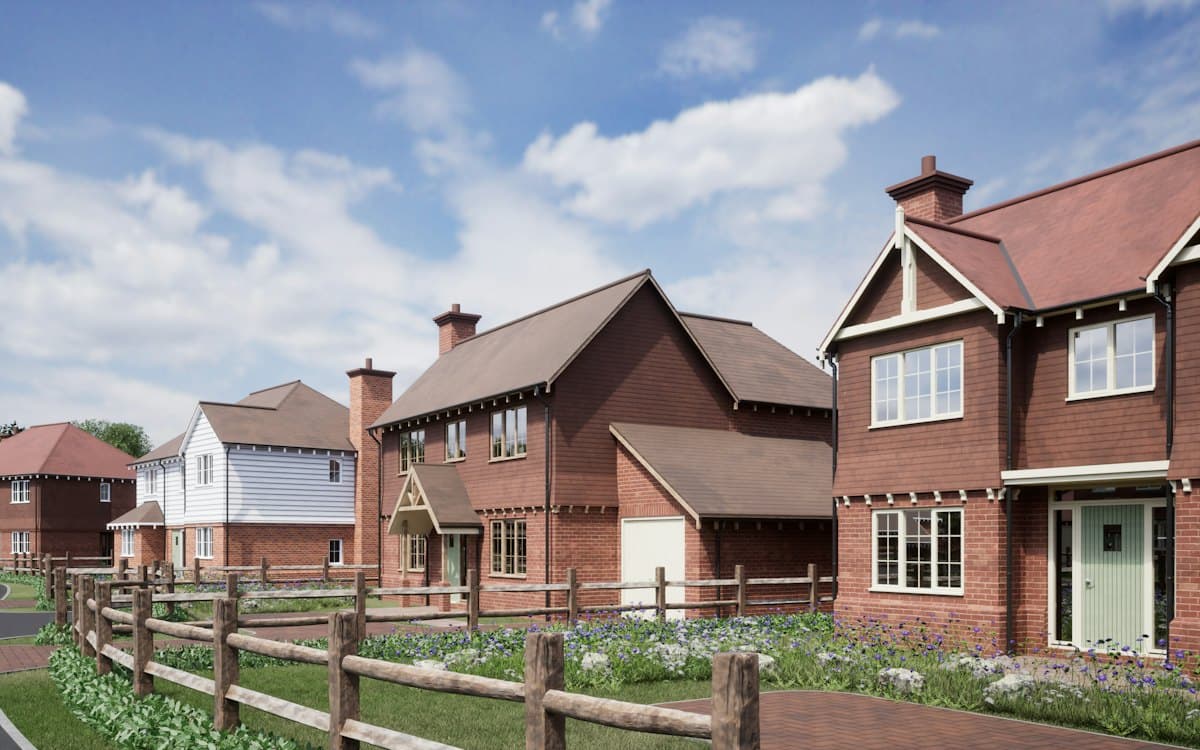 Property Developer
Builder Sales Automation System
Inventory, bookings and payment milestones automated for new developments.
Services
Website Development · SEO · Admin Dashboard
- Next.js
- Laravel
- Node.js
- AWS
View Case Study - Web Platform
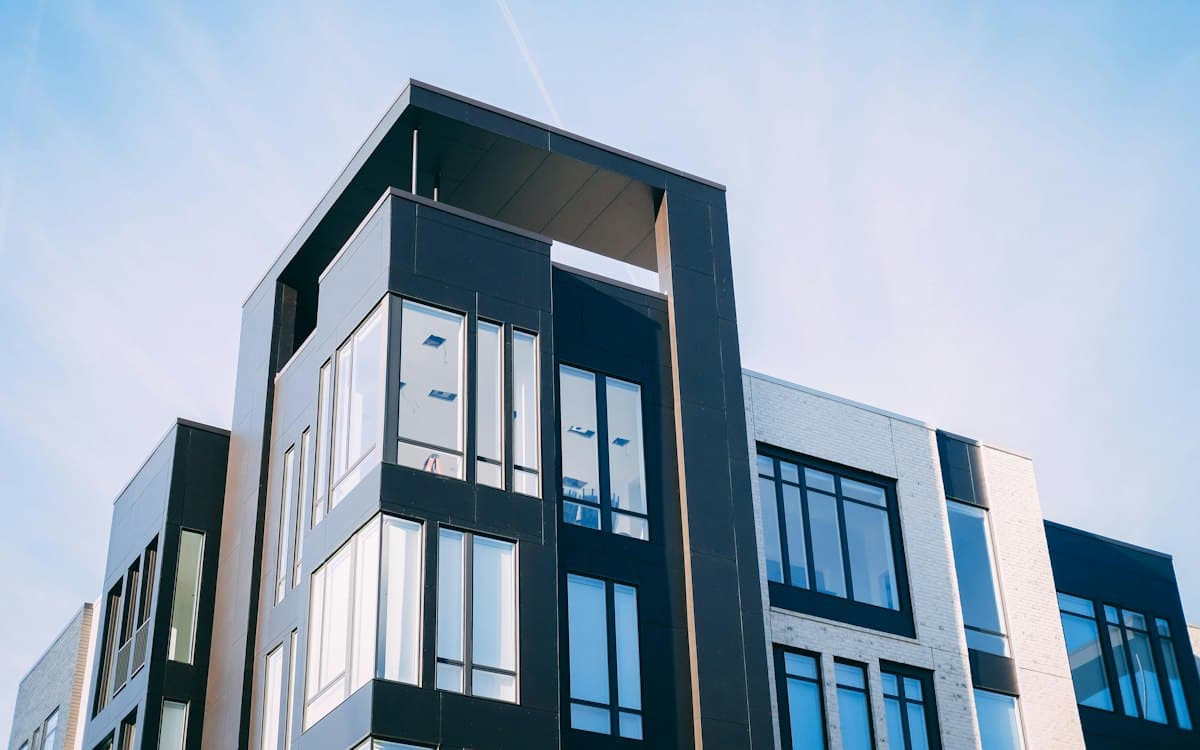 Real Estate Aggregator
Property Listing Portal
Map-based search, virtual tours and lead capture for property seekers.
Services
Website Development · SEO · Admin Dashboard
- Next.js
- Node.js
- AWS
- PostgreSQL
View Case Study
FAQ
Architecture Firm Website Development FAQs
Common questions from principals and studio partners: reflecting your aesthetic, keeping an image-heavy portfolio fast, telling the story behind a project, who must consent before photographs are published, crediting collaborators and your own role, and showing unbuilt work.
Can the website reflect our studio's aesthetic?
Will a visual, image-heavy portfolio still be fast?
Can we present projects with the story behind them?
Can our team update the portfolio ourselves?
Who needs to consent before we publish project photographs?
How should we credit collaborators and our own role on a project?
Can we show unbuilt or competition work?
How long does an architecture firm website take?
Do you do both architecture website design and development?
Do you build websites for interior designers as well as architects?
Start your studio website with Raqbash
Book a free call with an architecture firm website development company in India. We'll look at how your work reads to someone deciding whether to shortlist you, then show what we'd change.
Explore more
Related Services & Industries
Real Estate Website Development
Listing-driven, lead-generating websites for builders, brokers and developers.Construction Company Website Development
Credible construction and builder websites that showcase projects and win serious enquiries.Website Development
High-performance, SEO-ready websites that turn visitors into customers.SEO Services
Rank higher, win more traffic and generate leads with data-driven SEO.